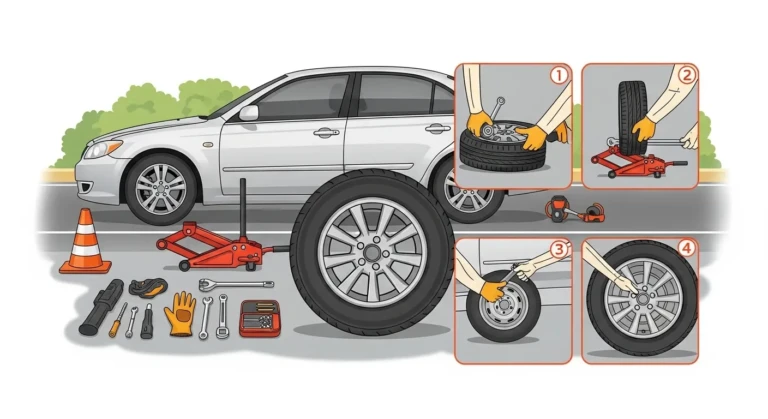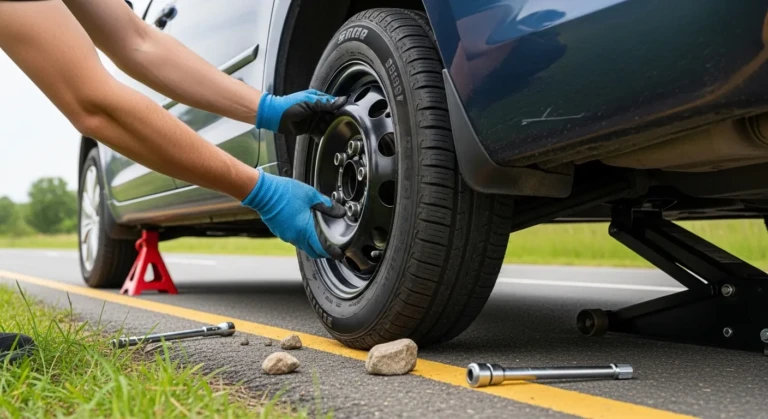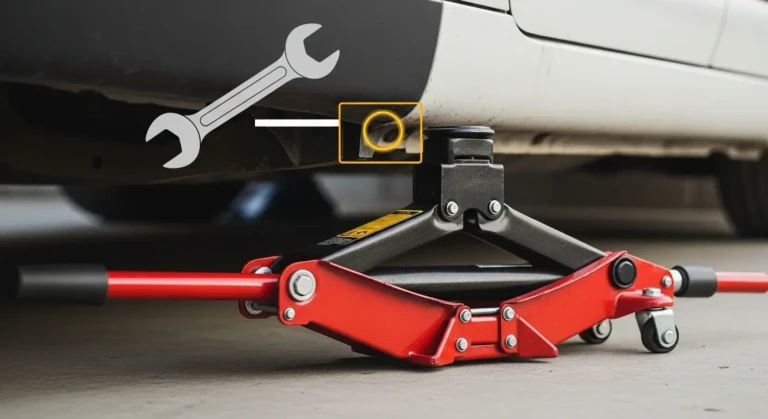
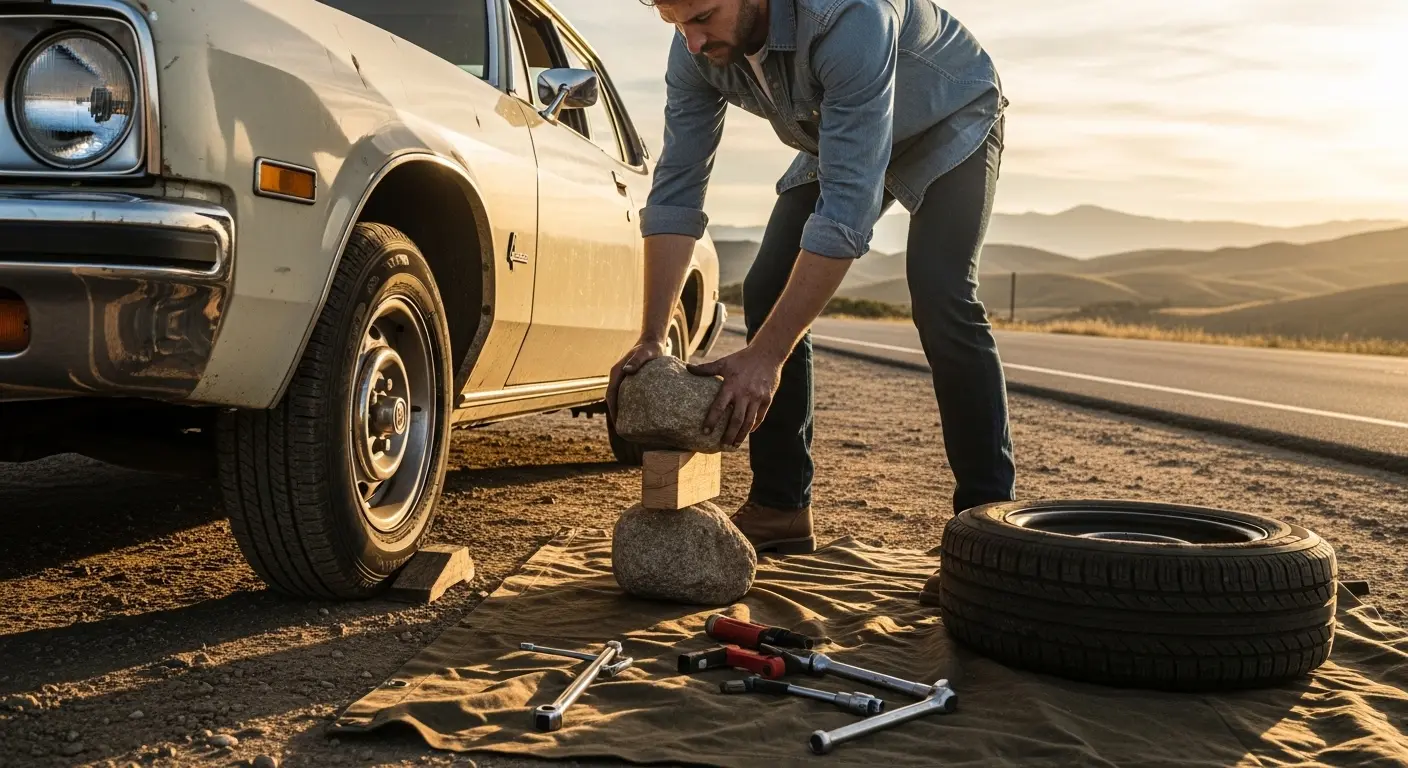
Getting a flat tire is one of the most common roadside problems drivers face. Normally, a car jack is used to lift the vehicle so the damaged tire can be removed. However, there are situations where a jack may not be available. Maybe the jack is missing, broken, or you are using a vehicle that does not have one in the trunk.
In such cases, knowing how to change a tire without a jack can be extremely helpful. While it may sound difficult, there are several practical methods drivers use in emergency situations to lift or tilt the vehicle enough to replace the tire safely.
These methods are not meant to replace proper equipment permanently, but they can help you handle emergencies when professional help or tools are not available. Many roadside assistance professionals recommend learning these techniques because they can help you avoid being stranded for hours.
In this guide, we will explain 10 practical ways to change a tire without using a jack, along with important safety tips. Each method focuses on using available surroundings, simple tools, or safe techniques to lift the vehicle just enough to replace the flat tire.
1. Drive the Flat Tire onto a Curb or Raised Surface
One of the easiest ways to change a tire without a jack is by using a curb or raised surface. This method works when you can safely drive the flat tire slightly onto a sidewalk curb or a small ramp.
Start by slowly driving the car forward until the flat tire climbs onto the curb. This raises the damaged wheel slightly above the ground level. Once the tire is partially elevated, you may have enough space to remove the lug nuts and replace the tire.
Before doing this, make sure the curb is strong and stable. Avoid soft surfaces like grass or loose gravel because the car may slide.
After positioning the car, engage the parking brake and place wheel chocks or heavy objects behind the other wheels to prevent movement. Then loosen the lug nuts, remove the flat tire, and install the spare tire.
This method works best in urban areas where sidewalks or raised parking blocks are available.
2. Use a Deep Hole or Dip in the Ground
Another emergency technique is using a hole or dip in the ground to lower the flat tire. This creates the same effect as lifting the car.
If you are near a dirt road or construction area, look for a small depression or hole that can fit the damaged tire. Carefully move the vehicle until the flat tire sits inside the hole while the rest of the car remains on higher ground.
Because the flat tire is now lower than the other wheels, the suspension slightly lifts the wheel assembly. This can provide enough clearance to remove the tire.
Before attempting this method, ensure the ground is firm and not muddy. Soft soil can cause the vehicle to sink further, making the situation worse.
Once the tire is replaced, slowly drive the vehicle out of the hole.
3. Use Wooden Blocks or Bricks as a Ramp
If you have access to wooden blocks, bricks, or thick boards, you can create a small ramp to lift the car.
Place several sturdy blocks in front of the flat tire and carefully drive the car onto them. As the tire climbs onto the blocks, the suspension raises the vehicle slightly, giving you enough space to remove the tire.
The key is making sure the blocks are strong enough to support the weight of the car. Avoid weak materials that may crack under pressure.
After the car is positioned on the blocks, engage the parking brake and place heavy objects behind the wheels for extra stability.
This simple ramp method is commonly used in garages when jacks are unavailable.
4. Use a Heavy Lever to Lift the Vehicle Slightly
A long metal bar, crowbar, or strong wooden beam can sometimes act as a temporary lever to lift part of the vehicle.
Place the lever under a strong frame section near the tire and use a heavy object as a pivot point. When pressure is applied to the other end of the bar, it slightly lifts the vehicle.
While the car is raised, another person can quickly place a solid block under the frame to hold the car up.
This method requires two people and extreme caution because the car must remain balanced during the process.
Professional mechanics rarely recommend this method unless no other option is available, but it can work in emergency roadside situations.
5. Use a Small Portable Ramp
Some drivers carry portable tire ramps designed for vehicle maintenance. These ramps are usually made from strong plastic or metal and can support thousands of pounds.
To use this method, place the ramp in front of the flat tire and slowly drive the car onto it. As the wheel climbs the ramp, the vehicle is lifted slightly.
Once the car is elevated, apply the parking brake and secure the wheels with chocks.
Portable ramps are safer than makeshift solutions because they are specifically designed to support vehicle weight.
Many mechanics recommend keeping a compact ramp kit in the trunk for emergencies.
6. Tilt the Vehicle by Driving onto an Incline
Another method involves using a natural incline, such as a steep driveway or ramp.
By carefully positioning the car so that the flat tire is on the higher side of the slope, the suspension may create enough clearance to loosen the lug nuts and remove the wheel.
This method works best with small slopes rather than steep hills. Extremely steep angles can make the vehicle unstable.
Always use the parking brake and wheel chocks when using this technique to prevent the car from rolling.
Although it may not provide as much clearance as a jack, it can sometimes be enough to complete a tire replacement.
7. Use Rocks or Thick Logs to Support the Car
In rural or off-road situations, drivers sometimes use large rocks or thick logs as support blocks.
After slightly lifting the vehicle using a ramp or lever method, place the rocks or logs under the car’s frame. These supports hold the vehicle high enough to remove the flat tire.
The materials must be solid and stable. Avoid loose stones that could shift under the vehicle’s weight.
Once the spare tire is installed, remove the supports carefully and lower the car back onto the ground.
This technique is commonly used in off-road environments where standard tools may not be available.
8. Deflate the Spare Tire Slightly
In some situations, the spare tire may be slightly larger than the available clearance. A practical trick is to release a small amount of air from the spare tire before installing it.
This temporarily reduces the tire’s height, allowing it to fit into the wheel hub area even if the car is not lifted much.
After the spare tire is installed and tightened, you can reinflate it using a portable air compressor or tire pump.
Many drivers keep small compressors in their vehicles for this exact reason.
This method does not lift the car but helps solve clearance problems when replacing the tire without a jack.
9. Ask for Assistance from Nearby Drivers
If you are stuck on the roadside without tools, asking for help can sometimes be the safest option.
Other drivers or nearby residents may have a car jack, ramp, or stronger tools that you can borrow temporarily.
Many people carry emergency tool kits in their vehicles, including jacks, lug wrenches, and air compressors.
Roadside assistance services are another option if you cannot safely change the tire yourself.
Although this method depends on outside help, it is often the quickest and safest solution when proper tools are missing.
10. Call Professional Roadside Assistance
When none of the above methods are safe or practical, contacting professional roadside assistance is the best choice.
Most towing services and roadside technicians carry professional lifting equipment and can replace your tire within minutes.
If you have vehicle insurance or roadside membership, tire replacement services are often included.
Calling professionals eliminates the risk of improper lifting and protects both you and your vehicle.
While it may take some time for assistance to arrive, it ensures the job is done safely and correctly.
Conclusion
Knowing how to change a tire without a jack can be extremely useful during emergencies when proper tools are not available. Methods such as using curbs, ramps, wooden blocks, or natural slopes can help create enough clearance to replace a flat tire temporarily.
However, safety should always remain the top priority. Always secure the vehicle using the parking brake, wheel chocks, and stable surfaces before attempting any of these techniques.
While these emergency solutions can help you get back on the road, it is still highly recommended to keep a proper car jack, spare tire, and tool kit in your vehicle for future situations.
Being prepared can save time, reduce stress, and ensure that a flat tire does not leave you stranded.